Tensile Bond Adhesion to Concrete Tensile Strength
Method: ASTM C-297 Result: 335 psi (coh/adh)
Tensile Strength
Method: ASTM D-412 Result: 399 psi
Elongation
Method: ASTM D-412 Result: 319.3%
Hydrostatic Head
Method: 12” Water/Film @ 40mil Result: Pass 96 Hrs/no effect
Hydrostatic Pressure
Method: ASTM C-1306 Result: Pass >45 psi*
*The test procedure only calls for taking the pressure to 45 psi but after passing so easily, test was taken up to 80 psi for 3 hours and surface still did not leak.
For Safety Data Sheets, visit our “Resources” page
Q: What makes the BG2000 UL System solution better than a sheet membrane?
A: There are pros and cons to both types of systems, but the main reason a liquid applied membrane like BG2000 is better than a sheet membrane product is because there are zero seams, which are vulnerable points where water can penetrate the surface to the substrate .
Q: Can BG2000 be applied to green concrete?
A: For applications with at least one exposed side, YES. As long as it is firm to touch and cleaned of mold releases and other impurities. Things like: poured in place retaining walls, freshly built block walls, etc. are perfect applications for BG2000.
Q: Is BG2000 oil-based?
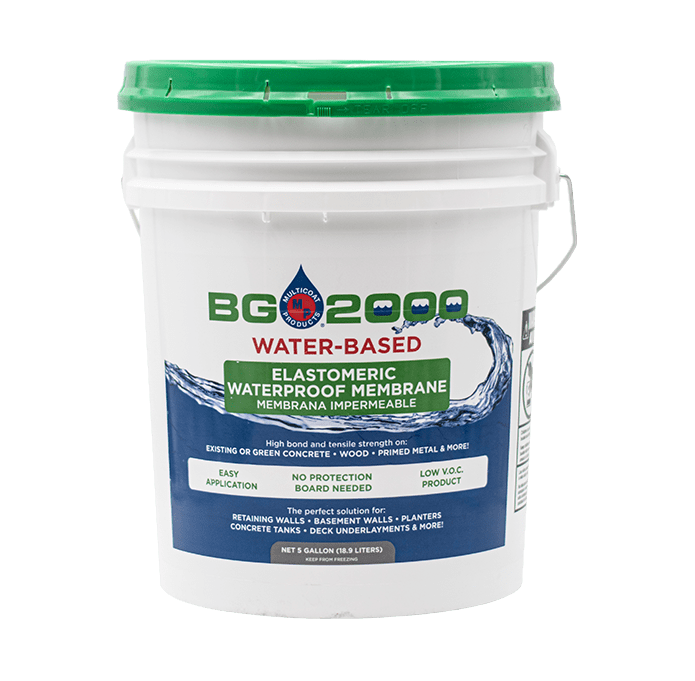
A: No, there is no asphalt emulsion in BG2000. Unlike many competitors that claim to be “water-based” but also contain petroleum byproducts, BG2000 is made from 100% Water born acrylics and contains ZERO ASPHALT EMULSION.
Q: Is BG2000 expensive?
A: No, when used in replace of lower end asphalt products consumers see a cost decrease due to its higher coverage rates, lower application time, and clean up time/ease.
Q: How do you bridge expansion joints and wall/floor 90º joints?
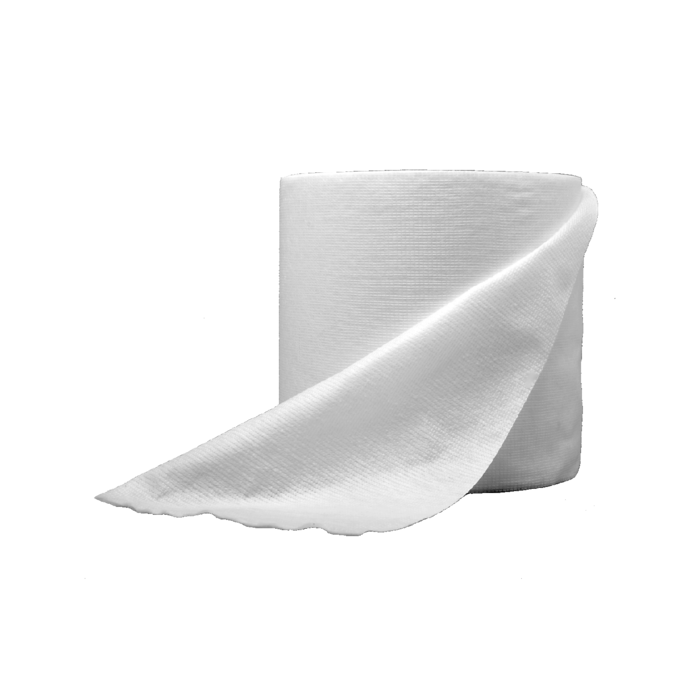
A: We recommend embedding a material called Polyester Stitch Bond Fabric into the first coat of BG2000 to act as a reinforcement material for high movement areas. It is an inexpensive way to ensure security and rigidity in areas that may be subject to extreme movement over time.